
How to Judge the Reliability of Online Information

The internet has made research faster, but it has not made every source trustworthy. A polished webpage can contain outdated claims, incomplete context, or outright errors, while a modest-looking document may provide careful, well-supported reporting. Evaluating online information therefore requires more than scanning a headline or trusting a familiar design. Readers need a practical method for judging evidence, authorship, and relevance.

Start With the Source

The first question is who published the material. Government agencies, universities, professional organizations, newsrooms, and established research institutions often provide identifiable editorial or review processes. That does not guarantee perfection, but it gives readers a basis for assessing accountability.

Anonymous pages deserve additional scrutiny, particularly when they make strong claims about health, finance, science, or public policy. Look for an author’s name, professional background, contact information, and a clear explanation of the organization behind the publication. A source that hides its ownership or offers no way to distinguish reporting from opinion should not be treated as authoritative without independent confirmation.

Examine the Evidence

Reliable information usually explains how its conclusions were reached. Research-based content should identify studies, datasets, official records, interviews, or other supporting material. Readers should also check whether the cited evidence actually supports the claim being made. A reference to a study is not enough if the study examined a different population, measured a different outcome, or reached a more limited conclusion.

Links themselves can provide useful clues about transparency. A plainly labeled destination, including test, should still be assessed by its surrounding context, purpose, and relationship to the claim. The presence of a link does not prove that the linked material is relevant or credible. It is the reader’s responsibility to follow the evidence trail and inspect the original source whenever practical.

Check Dates and Context

Online information can remain visible long after it has become outdated. Check the publication date, the date of the latest revision, and whether the subject changes rapidly. A five-year-old explanation of a historical event may remain useful, while a five-year-old account of cybersecurity guidance, medical treatment, or economic data may be seriously incomplete.

Context matters just as much as timing. Headlines are often shortened for impact, and excerpts can omit important qualifications. Read beyond the opening paragraphs and determine whether the wording distinguishes established findings from estimates, forecasts, or disputed interpretations. Statistics should be considered alongside their timeframe, sample size, definitions, and comparison group.

Compare Independent Sources

One source can be mistaken, even when it appears professional. Comparing several independent sources helps reveal agreement, uncertainty, and unresolved disputes. Independence is important: ten pages repeating the same press release do not provide ten separate confirmations.

When sources disagree, identify the reason rather than simply counting opinions. They may use different data, definitions, or standards of proof. A credible account will normally acknowledge meaningful limitations instead of presenting a complex issue as settled by a single dramatic fact.

Recognize Persuasive Techniques

Language can signal that a page is designed to persuade rather than inform. Excessive certainty, emotional appeals, personal attacks, and claims of secret knowledge should prompt caution. So should urgent demands to share material immediately or statements that portray every contrary source as part of a coordinated conspiracy.

Commercial incentives also deserve attention. Advertising, affiliate arrangements, fundraising, and political sponsorship do not automatically invalidate content, but they may influence what is emphasized or omitted. A transparent disclosure allows readers to account for that influence when weighing the material.

Build a Sustainable Reading Habit

Good online research is not a search for a source that confirms an existing view. It is a process of asking precise questions, tracing claims to primary evidence, checking dates, and remaining willing to revise an opinion. Saving reliable references, recording why they were considered credible, and returning to original documents can make future research more efficient.

In an environment filled with rapid updates and persuasive presentation, careful reading remains a valuable safeguard. No single test can establish whether information is dependable, but source awareness, evidence checking, contextual reading, and comparison together provide a strong foundation for sound judgment.
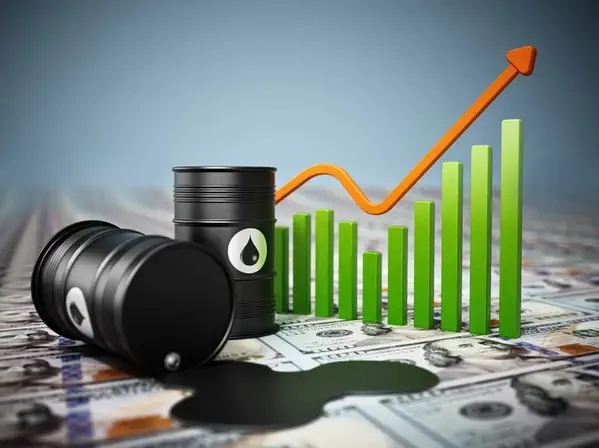
Global Oil Prices Rise As Demand Surges

In recent weeks, global oil prices have been on the rise as demand for oil and gas continues to surge. The increase in demand has been driven by a rebound in the global economy, particularly in major economies such as the United States and China.

According to industry experts, the price of Brent crude, the international benchmark for oil prices, has risen by over 30% since the beginning of the year, reaching a three-year high of $80 per barrel. This increase has been driven by a combination of factors, including strong demand, supply disruptions, and the ongoing impact of the COVID-19 pandemic on oil production.

Answering The Why Question…

One of the main drivers of the increase in demand has been a rebound in economic activity, particularly in the transportation sector. As more people return to work and travel restrictions are lifted, demand for gasoline and diesel fuel has surged. In addition, the increase in demand for natural gas has also contributed to the rise in oil prices.

Supply disruptions have also played a role in the increase in oil prices. In recent months, a number of major oil-producing countries have experienced disruptions to their production, including the United States, Nigeria, and Norway. These disruptions have tightened global supplies and driven up prices.

The ongoing impact of the COVID-19 pandemic on oil production has also contributed to the rise in prices. While many countries have lifted restrictions on oil production and transportation, the pandemic continues to pose challenges for the industry, including labor shortages, supply chain disruptions, and fluctuations in demand.

As global demand for oil and gas continues to surge, industry experts predict that prices will remain high in the coming months. However, the long-term outlook for the industry remains uncertain, as concerns about the impact of climate change and the transition to renewable energy sources continue to grow.

Conclusion

In conclusion, the recent surge in global oil prices has been driven by a combination of factors, including strong demand, supply disruptions, and the ongoing impact of the COVID-19 pandemic on oil production. While industry experts predict that prices will remain high in the short term, the long-term outlook for the industry remains uncertain due to growing concerns about the impact of climate change and the transition to renewable energy sources. The oil and gas industry will need to continue to adapt and innovate in order to remain competitive in a rapidly changing energy landscape.

Advancements in Oil and Gas Exploration in Nigeria

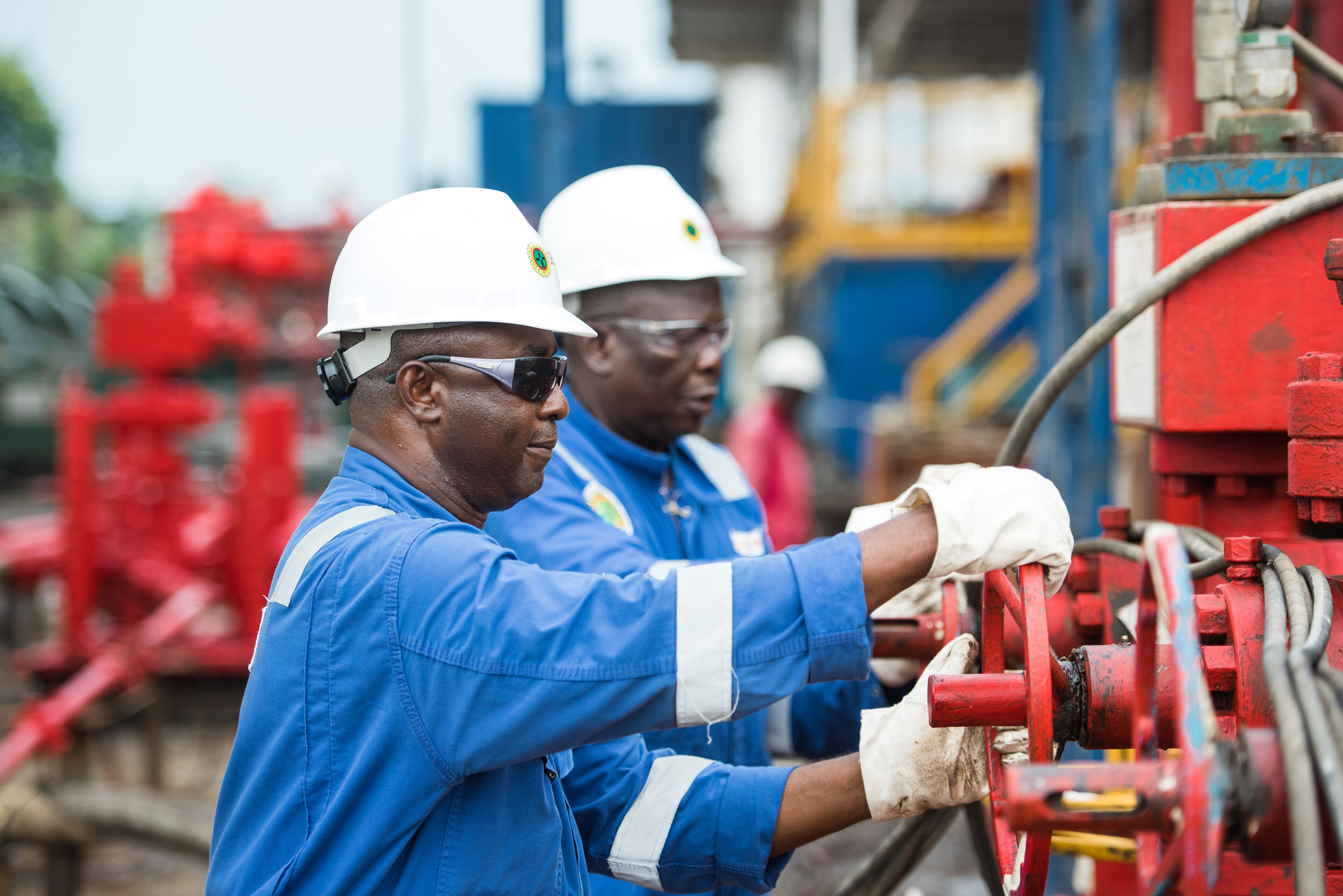
Nigeria is one of the largest oil-producing countries in the world, with significant reserves of both oil and natural gas. Over the years, there have been many advancements in oil and gas exploration in Nigeria, including the use of advanced technologies to improve the efficiency and safety of exploration activities.

Oil & Gas Advancements In Nigeria To Remember

One of the most significant advancements in recent years is the use of seismic imaging technology. This technology allows companies to create detailed 3D images of the subsurface, providing a clearer understanding of the geology and identifying potential oil and gas reserves. Seismic imaging technology has been instrumental in unlocking previously undiscovered reserves in Nigeria, leading to increased production and revenue for the industry.

Another key advancement is the use of directional drilling technology. This technology allows companies to drill wells at different angles and directions, enabling them to access hard-to-reach reserves and optimize production. Directional drilling has also helped reduce the environmental impact of exploration activities by minimizing the number of wells required to access reserves.

In addition, the use of digital technologies such as artificial intelligence and machine learning has revolutionized the oil and gas industry. These technologies can be used to analyze data from sensors and other sources to identify patterns and make predictions about potential issues, allowing companies to proactively address problems and optimize their operations.

While there have been significant advancements in oil and gas exploration in Nigeria, there are still many challenges facing the industry, including security concerns and regulatory issues. However, with continued investment in technology and innovation, the future of the oil and gas industry in Nigeria looks promising.

Conclusion

In conclusion, the oil and gas industry in Nigeria has seen many advancements in exploration technology in recent years. Seismic imaging, directional drilling, and digital technologies have all played a significant role in improving efficiency, safety, and environmental sustainability. While challenges remain, continued investment in technology and innovation will be crucial for the industry to maintain its position as a major global producer of oil and gas.